Commercial Construction and Remodeling in New York City & Long Island, NY
WHAT WE DO
Commercial work runs on a different clock than residential. Every closed day costs revenue, and every inspection sits between you and reopening. Adelbin Construction
builds and renovates commercial space across New York City & Long Island, NY, handling retail buildouts, office fit-outs, restaurant spaces, tenant improvements, accessibility upgrades, and ground-up construction. We plan around occupancy requirements, egress paths, fire protection, and business hours rather than treating them as afterthoughts. Work is phased where the space must stay operational, and the schedule is built backward from the date you need to be open.
WHERE WE WORK
Buildings That Answer to More Than One Authority
Commercial projects must meet the requirements of building departments, fire officials, accessibility standards, and often a landlord’s construction rules as well. Municipalities across Long Island and the New York City Department of Buildings follow different processes, so identifying the applicable requirements helps shape the schedule from day one. We work with owners and tenants throughout Long Island and New York City, coordinating lease requirements, after-hours restrictions, permitting, and shared building access while keeping the project moving efficiently.
Commercial Construction Services We Provide
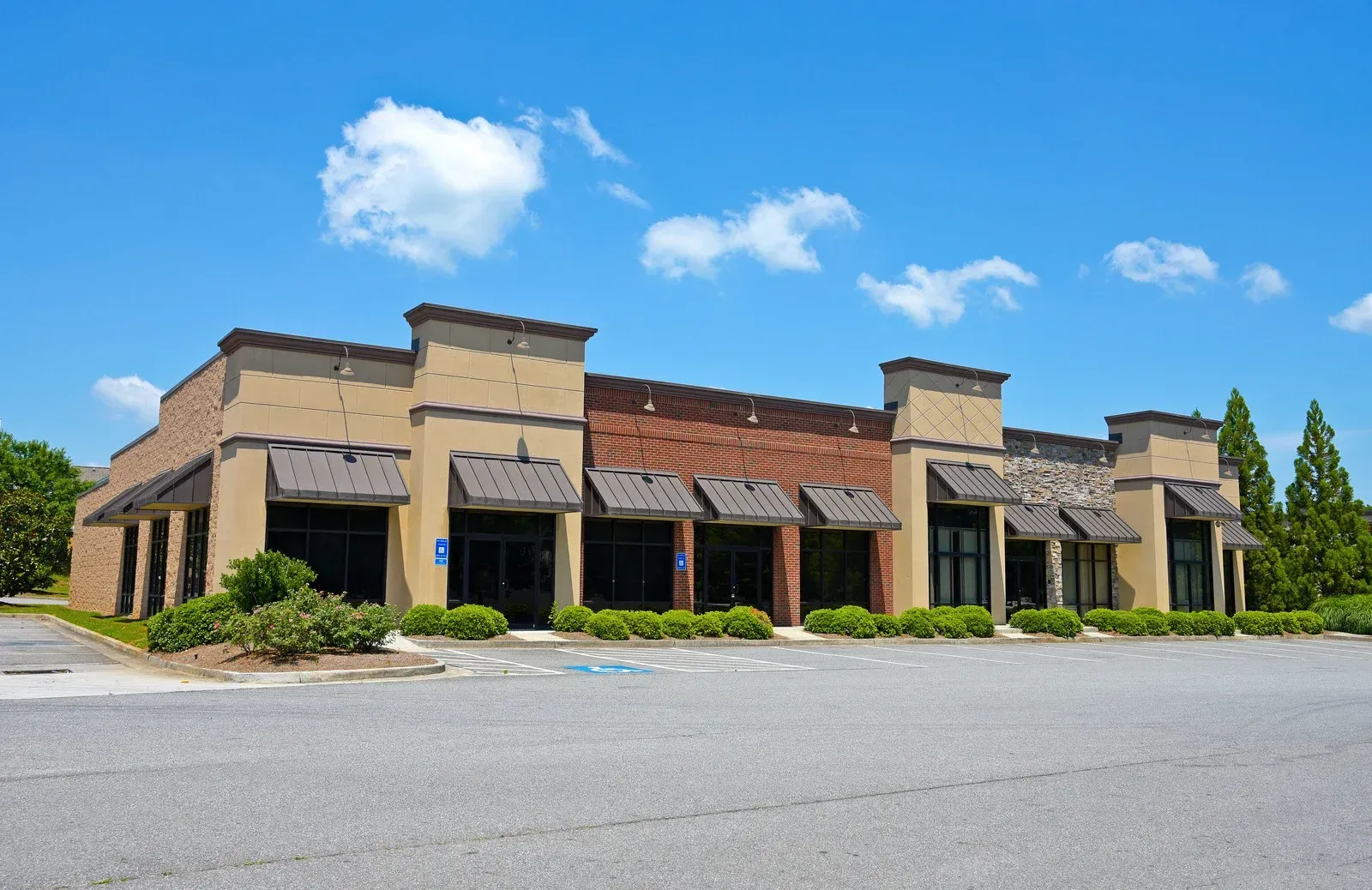
Commercial scopes range from a single tenant suite to an entire standalone building. These are the project types we regularly handle for owners, tenants, and property managers across the region.
01
Retail and Storefront Buildouts
Sales floors, fitting areas, stockrooms, and service counters all have to work together while satisfying occupancy and egress rules. We coordinate storefront systems, signage attachments, lighting, and finishes so the space opens looking finished rather than merely functional on day one.
02
Office and Tenant Improvements
Demising walls, private offices, conference rooms, and open workstations each carry their own electrical, data, and mechanical requirements. We build to the landlord's construction standards and the tenant's fit-out drawings, then coordinate closeout documentation the building manager will actually accept.
03
Restaurant and Food Service Spaces
Kitchens bring grease ducts, makeup air, floor drains, health department review, and equipment coordination into a single congested area. We sequence those trades carefully and align inspections so the space clears both building and health approvals without avoidable rework.
04
Accessibility and Code Compliance Upgrades
Entrances, restrooms, door hardware, counter heights, and path-of-travel clearances all fall under accessibility requirements. We survey existing conditions against current standards, then bring the deficiencies into compliance during renovation rather than leaving them for an inspector to find later.
05
Structural Alterations and Demolition
Removing a wall, adding an opening, or reinforcing a floor for new equipment all require engineering and filing. We handle selective demolition, temporary shoring, and structural framing while protecting the portions of the building that stay in service throughout.
06
Ground-Up Commercial Construction
New commercial buildings run from site work and foundations through envelope, systems, and interior finishes. We manage the trades, filings, and inspection sequence, delivering a completed shell or fully finished space depending on how the project is structured.
TESTIMONIALS
What Our Customers Say
How We Protect Your Operations During a Buildout
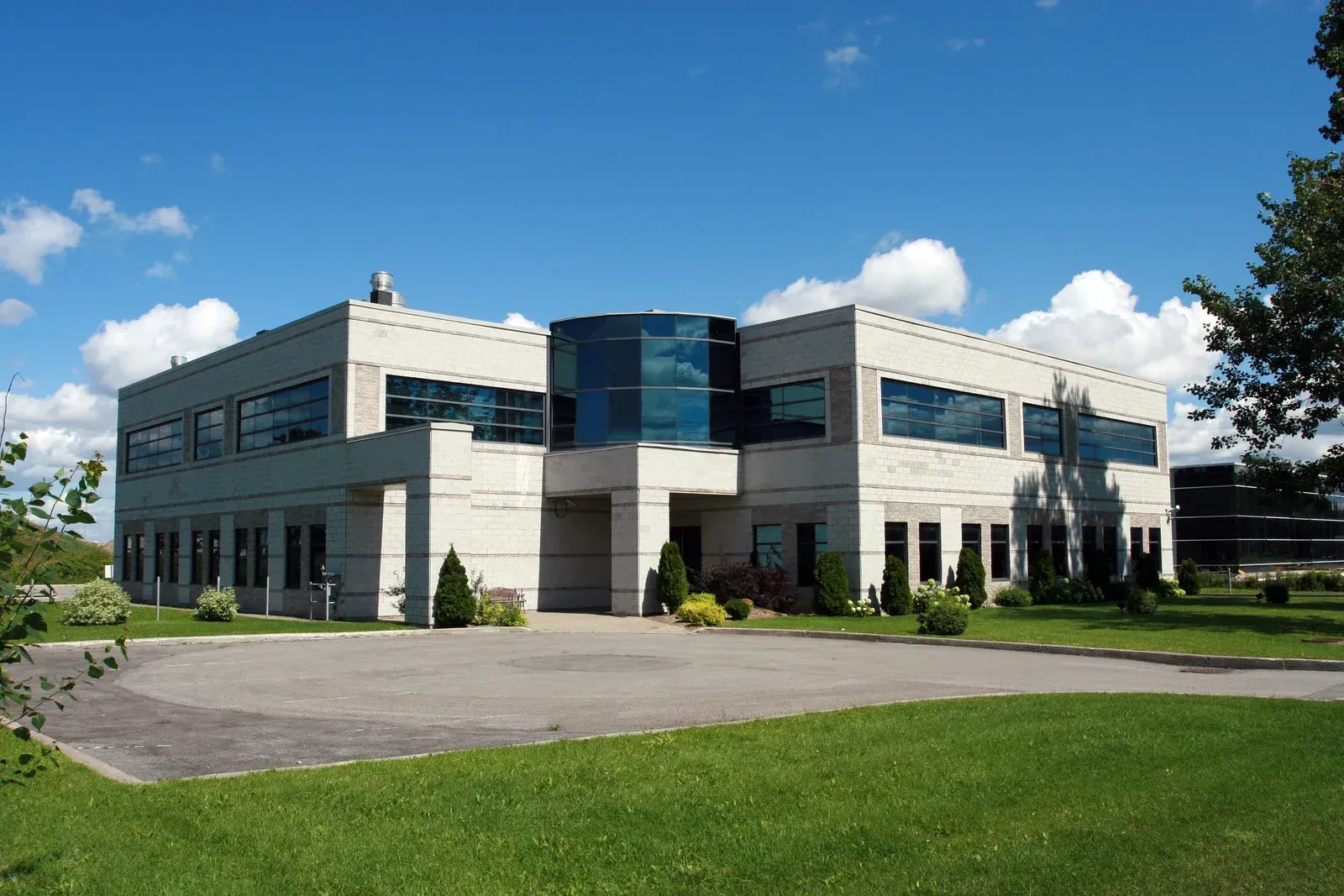
Renovating around a working business is a scheduling problem before it is a construction one. Everything below is built into the plan so revenue keeps arriving while the work moves forward.
01
Phased Construction Schedules
Dividing the space into sequential work areas lets one section stay open while another is under construction. Customers and staff keep a defined path through the building, and the project advances without the business ever closing its doors entirely.
02
After-Hours and Weekend Work
Loud demolition, core drilling, and disruptive deliveries can all be shifted outside your operating hours. Landlord rules sometimes require it anyway, and scheduling those tasks at night keeps daytime trading uninterrupted even during the noisiest stretch of the project.
03
Temporary Partitions and Access Routes
Dust barriers, protected corridors, and clear signage keep construction separated from customers and staff. Emergency exits stay accessible and marked throughout, which matters both for safety and for passing the inspections that occur while the work is still underway.
04
Coordinated Inspection Timing
Inspections stall projects when nobody books them in the right order. We schedule building, electrical, plumbing, and fire inspections against the actual trade sequence so approvals arrive as each phase completes rather than holding the following trade hostage.
05
Trade Sequencing That Avoids Rework
Electricians pulling wire after the drywall closes means opening those walls up again. Coordinating rough-in, inspection, and closure in the correct order eliminates that waste, which protects both your budget and the opening date you already committed to.
06
Clear Weekly Progress Reporting
You receive a straightforward summary of what was completed, what is next, and anything threatening the schedule. Knowing early gives you room to adjust staffing, marketing, or an opening date instead of reacting to news at the last minute.
WHO WE ARE
Contractors Who Understand a Closed Door Costs Money
Business owners judge a contractor by the calendar. We sequence trades tightly, order long-lead equipment early, and report progress weekly so nobody discovers a delay a week before opening. Licensed, bonded, and insured under NYC License #2132368-DCWP and GC#627681, we carry the liability and workers' compensation coverage that landlords and property managers require before work can begin. Send your lease drawings or scope outline through our contact page and we will respond with a realistic timeline.
Frequently Asked Questions
How is commercial remodeling different from residential remodeling?
Commercial projects involve additional requirements for accessibility, emergency exits, fire protection, and occupancy limits. Adelbin Construction plans commercial renovations around the property’s intended use throughout Long Island and New York City, carefully phasing work to minimize disruption when the space needs to remain operational.
Can my business stay open during construction?
Frequently, yes. Phased scheduling, temporary partitions, protected access routes, and after-hours work on the loudest tasks keep most retail and office spaces trading normally. Restaurants and medical suites sometimes require a short closure during certain specific phases.
Who is responsible for permits on a tenant fit-out?
The contractor typically files the building permit, while the landlord provides base building documentation and written approval of the drawings. We confirm that division early, because assumptions about who files what are a very common source of delay.
How long does a typical commercial buildout take?
Office and retail fit-outs commonly run 8 to 16 weeks of construction depending on size and mechanical scope. Restaurant projects usually take considerably longer because of kitchen equipment lead times and the additional health department review that is involved.
What is the difference between a warm shell and a cold shell space?
A cold shell delivers bare structure with no distributed building systems. A warm shell typically includes heating, cooling, electrical service, and finished restrooms, which reduces both the cost and the duration of the tenant's own fit-out considerably.
Does a change of use require additional approvals?
Yes. Converting retail space to food service, or office space to medical use, alters the occupancy classification and triggers review of egress, ventilation, fire protection, and accessibility. That whole process gets filed before construction begins rather than alongside it.
How are utility upgrades handled in an existing building?
Electrical service capacity, gas supply, and ventilation are surveyed against your equipment schedule early on. Where the existing service falls short, coordination with the utility company begins immediately, since those approvals often take longer than the construction itself.
What documentation do I receive when the project closes out?
Sign-off letters, inspection records, equipment manuals, warranty certificates, and as-built information are all compiled at completion. Landlords and future tenants both rely on that package, so it is assembled properly rather than gathered afterward under pressure.
Why Choose Adelbin Construction
Build With Confidence
01
Quality Built to Last
We maintain high standards throughout every phase of construction, from planning and material selection to the final details. Each project is completed with careful workmanship and long-term performance in mind.
02
Builder-Direct Value
We build and sell our own custom homes directly to buyers, allowing us to provide competitive, builder-direct pricing without unnecessary markups. Our experience building for strong market value also helps clients make informed decisions about designs, materials, and improvements.
03
Over 9 Years of Experience
With more than nine years of construction and remodeling experience, we understand what it takes to complete projects properly and efficiently. Our hands-on knowledge helps us anticipate challenges and keep each project moving forward.
04
Owner-Operated Service
As an owner-operated company, Adelbin Construction provides direct communication and personal oversight throughout every project. Clients work with someone who is invested in the quality of the work and the success of the finished result.
Open On Time, In A Space Built For Business
Commercial construction is judged by two questions. Did it open when you said it would, and does it work the way the business needs it to? Everything else follows from those two. Adelbin Construction builds and renovates commercial space throughout New York City & Long Island, NY, and the surrounding Nassau County, Queens, and Brooklyn markets, coordinating permits, inspections, and trades so that neither answer is ever left in doubt. Builder-direct pricing and one accountable team keep budget and calendar aligned. Bring us a lease, fit-out drawings, or an empty space and a target opening date. Our contact page is the fastest way to start that conversation.